New BC Housing Taxes on the Table: What the Election Proposals Could Mean for Fraser Valley Buyers and Sellers
Housing is front and centre in BC's provincial election campaign, and a pair of new tax proposals is generating debate across the industry. If you own property, are thinking of buying or selling, or are simply trying to follow where the market is headed, here's a clear, plain-language breakdown of what's been proposed and the arguments on both sides.
The Backdrop: BC Needs a Lot More Homes
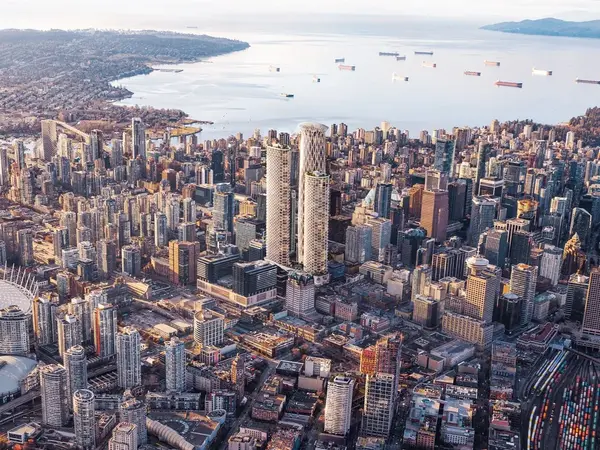
The starting point everyone agrees on is the scale of the shortage. According to the Canada Mortgage and Housing Corporation (CMHC), BC will need roughly 610,000 additional homes by 2035 to restore housing affordability to 2019 levels. That's the benchmark any new housing policy is ultimately measured against: does it help close that gap, or not?
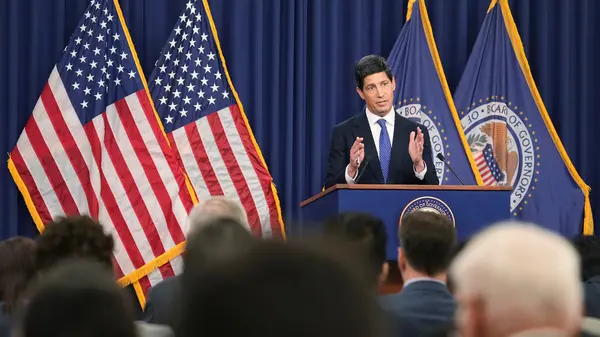
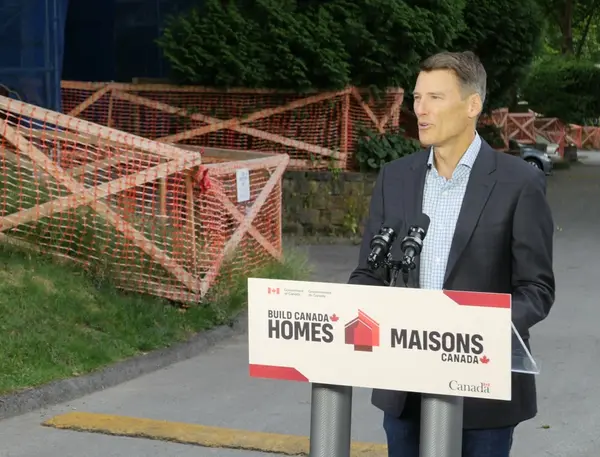
Against that backdrop, on September 25, 2026, Premier and NDP leader David Eby announced two housing tax proposals on the campaign trail. If re-elected, his government would increase the existing Speculation and Vacancy Tax and introduce a brand-new tax on unsold strata (condo) units.
Proposal 1: A Higher Speculation and Vacancy Tax
The Speculation and Vacancy Tax (SVT) already exists in designated areas of BC. It was designed to discourage people from leaving homes empty and to push vacant properties into the long-term rental pool. It primarily targets foreign owners, domestic owners who don't pay BC income tax, and "satellite" families who report less than half their household income on Canadian tax returns.
The current 2027 rate is set at 4 per cent for foreign owners and 1 per cent for Canadian citizens and permanent residents. The proposal would raise those rates to 5 per cent for foreign owners and 2 per cent for domestic owners.
Proposal 2: A New Tax on Unsold Condos
This is the new idea, and it's the one most relevant to our current market. Eby proposed a tax on completed strata units that sit vacant and unsold for more than one year. It would start at 2 per cent of the unit's value and climb by another 1 per cent for each additional year the unit stays unsold.
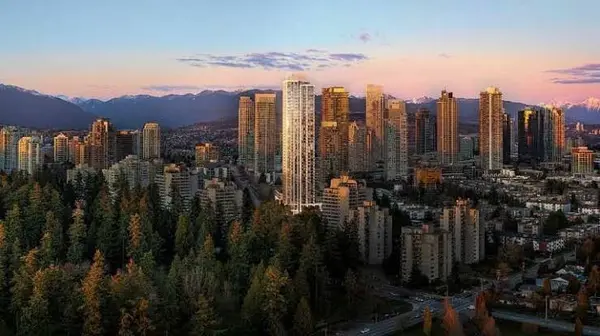
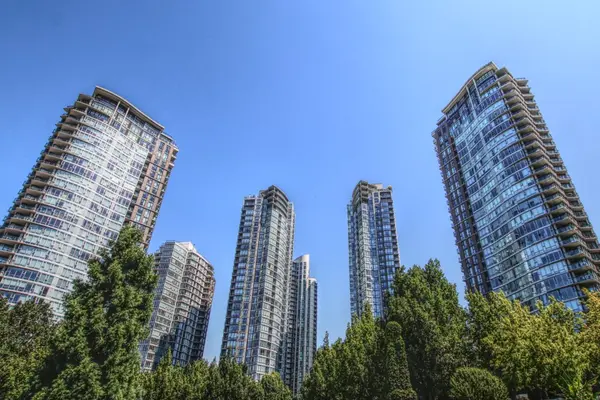
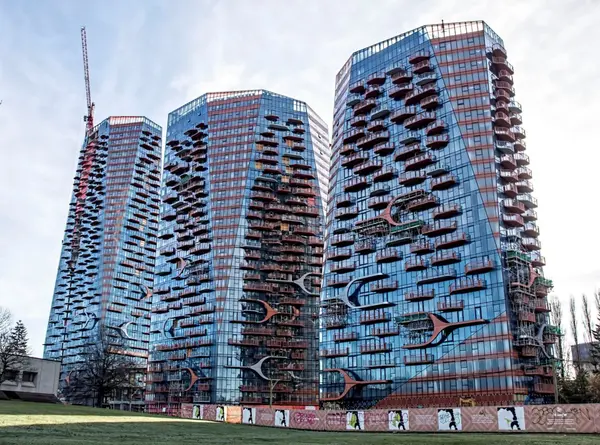
The goal is to pressure developers to cut prices and move completed inventory faster, rather than letting finished units sit empty. Given the record levels of unsold condo inventory we've written about across Metro Vancouver, you can see the logic behind the idea.
The Argument For
Supporters argue both measures push in the same direction: get empty and unsold homes into the hands of people who will actually live in them. A higher vacancy tax creates a stronger incentive to rent out empty units, and a tax on unsold condos pressures developers to price to sell rather than hold out for a better market. In theory, both add to available supply and nudge prices down — which helps buyers.
The Argument Against
Industry economists, including the BC Real Estate Association, have raised a caution worth understanding. Their central point is that completed condos aren't usually sitting unsold because developers are deliberately hoarding them — they're sitting because demand is weak and buyers are stretched on affordability. As we've covered in recent posts, BC's market is soft right now: provincial home sales in September 2026 were down 4.7 per cent year-over-year, with overall activity running about 25 per cent below the ten-year average.
In that environment, the concern is that taxing developers for holding unsold inventory adds a new cost on top of an already difficult landscape — and those costs tend to get passed on to future buyers in the form of higher prices, or cause some projects not to get built at all. If a tax makes future projects riskier to finance, it could work against the very supply goal it's meant to serve. Given the sharp slowdown in new construction we've been tracking, that's not a trivial worry.
There's also the question of complexity. BC's housing is already layered with overlapping taxes and rules aimed at similar goals — the federal Foreign Buyer Ban, BC's additional property transfer tax on foreign buyers, and the City of Vancouver's Empty Homes Tax, among others. BCREA's position is that before adding new taxes, the next government should assess how all these existing measures interact, whether they're actually working, and whether the cumulative cost is helping or hurting new housing delivery.
What This Means for Fraser Valley Buyers and Sellers
For most Fraser Valley homeowners, it's important to be clear: the Speculation and Vacancy Tax generally does not apply to BC residents living in their own homes or renting them out long-term. If you live in your home, this is unlikely to affect you directly. The groups primarily in scope are foreign owners, satellite families, and owners leaving homes empty.
For buyers, the proposals are aimed at outcomes you'd generally welcome — more available homes and downward pressure on prices. Whether they deliver that, or instead add costs that filter back into prices, is exactly the debate above. Either way, the current reality remains a buyer-friendly Fraser Valley market with elevated inventory and prices well below their 2022 peak.
For anyone holding or considering pre-sale condo investments, the proposed unsold-unit tax is worth watching closely. It wouldn't affect resale or owner-occupied units, but it could influence developer pricing and the economics of new projects — which has ripple effects on the broader condo market.
For sellers, these proposals don't change anything today. They're campaign promises, not law, and their fate depends on the election outcome and subsequent legislation.
The Bottom Line
These are proposals, not policy — nothing changes unless the NDP is re-elected and passes legislation. The core tension is one that runs through almost every housing debate in BC: measures meant to improve affordability in the short term can sometimes discourage the new construction needed to fix affordability over the long term. As the campaign continues, it's worth watching how each party proposes to close that 610,000-home gap, because supply is ultimately what moves affordability.
If you'd like to talk through how any of this might affect a specific buying, selling, or investment decision in the Fraser Valley, reach out — I'm always happy to help you make sense of it.
Categories
Recent Posts