Bank of Canada Holds Interest Rate at 2.25% — What It Means for Fraser Valley Buyers and Sellers
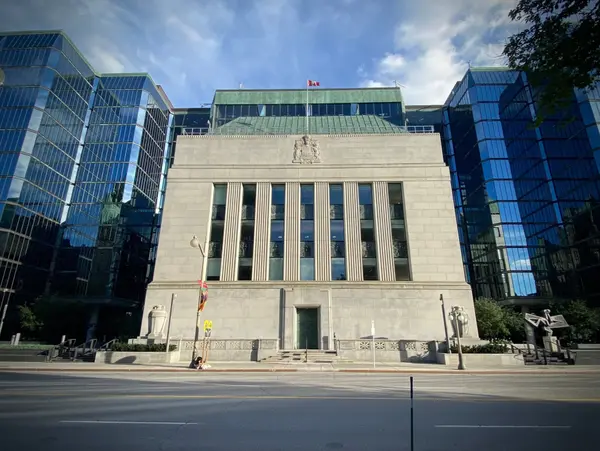
The Bank of Canada announced on June 10, 2026 that it is holding its overnight interest rate at 2.25%. This marks the fourth consecutive hold in 2026, following identical decisions in January, March, and April.
For buyers and sellers in the Fraser Valley and Greater Vancouver area, a rate hold means borrowing costs stay where they are — for now. Here's what's driving the decision and what you should be watching.
Why Did the Bank of Canada Hold Again?
In its official announcement, the Bank of Canada cited ongoing weakness in the Canadian economy, persistent uncertainty around U.S. trade policy, and elevated oil prices tied to the ongoing conflict in the Middle East. While oil prices are high, the Bank said it intends to look past the near-term inflation impact — as long as higher energy costs don't become entrenched.
Andrew Hencic, Director and Senior Economist at TD Economics, described the hold as widely expected. The key reason: Canada's economy is simply too soft right now for rising oil prices to spark the kind of broad inflation that would force a rate hike.
Higher Oil Prices — But No Rate Hike. Why?
You might remember 2022, when spiking oil and commodity prices contributed to a rapid series of Bank of Canada rate increases. So why isn't the same thing happening now?
Hencic explains it comes down to demand. In 2022, Canadians were coming out of pandemic lockdowns with accumulated savings and a strong desire to spend. Labour markets were tight, wages were growing, and companies had an easier time passing higher input costs — like fuel — directly on to consumers. That combination of supply shock plus strong consumer demand is what drove inflation up quickly.
Today, the supply shock is similar, but the demand side of the equation is missing. The labour market is soft, wage growth is sluggish, and consumers are more cautious. In this environment, businesses are reluctant to raise prices because they risk losing customers who simply can't absorb the added cost.
"You have this relatively soft economic backdrop that's providing a bit of insulation from the inflationary effects of the energy shock," Hencic noted.
In other words, high gas prices are showing up at the pump — but they haven't yet rippled through to the broader basket of goods and services the Bank of Canada tracks when measuring inflation.
Could a Rate Hike Still Happen?
Yes — if oil prices stay elevated long enough, companies will eventually have no choice but to pass those costs on. Hencic's view is that the Bank of Canada is in a wait-and-see mode: watching to see how persistent the energy shock turns out to be before making any moves.
What This Means for Fraser Valley Real Estate
For variable-rate mortgage holders in the Fraser Valley, this hold means your monthly payments stay the same. No relief, but no added pressure either.
For buyers who have been sitting on the sidelines waiting for rate cuts, today's decision is a signal that cuts are not imminent. The Bank is navigating a delicate balance — a soft economy that doesn't warrant higher rates, but inflationary risks that make further cuts unlikely in the near term.
For sellers, market conditions in the Fraser Valley remain buyer-friendly. Stability in borrowing costs is a positive for deal flow, but don't expect a sudden surge in buyer activity until there's more clarity on where rates are headed.
The next Bank of Canada rate announcement is scheduled for July 30, 2026.
Thinking about buying or selling in the Fraser Valley? Reach out — I'm happy to walk you through what current market conditions mean for your specific situation.
Categories
Recent Posts