TD Revises Canada Housing Forecast for 2026: What It Means for Buyers and Sellers
Canada’s housing market outlook for 2026 has taken a more cautious turn.
According to a new report from TD Economics, the bank has downgraded its housing forecast, pointing to weaker-than-expected market conditions at the end of 2025 and the start of 2026.
For buyers and sellers in markets like Metro Vancouver and the Fraser Valley, this shift signals a slower and more gradual recovery than previously expected.
A Slower Start to 2026 Than Expected
TD’s revised forecast highlights that late 2025 and early 2026 underperformed expectations, forcing economists to reassess the year ahead.
Instead of a strong rebound, the housing market is now expected to:
- Take most of 2026 to recover early-year losses
- See slower sales activity overall
- Experience a more gradual return of buyer demand
This aligns with what we’re already seeing locally — quieter markets, more inventory, and cautious buyers.
Why the Forecast Was Downgraded
Several key factors are holding the market back:
1. Economic Uncertainty
A softer economy is reducing buyer confidence, with many households hesitant to make large financial decisions.
2. Cost of Living Pressures
Affordability remains a major challenge, especially in expensive regions like B.C., where high home prices and daily expenses are stretching budgets.
3. Weak Early 2026 Activity
The biggest surprise was just how slow the market started this year — particularly in major provinces like British Columbia.
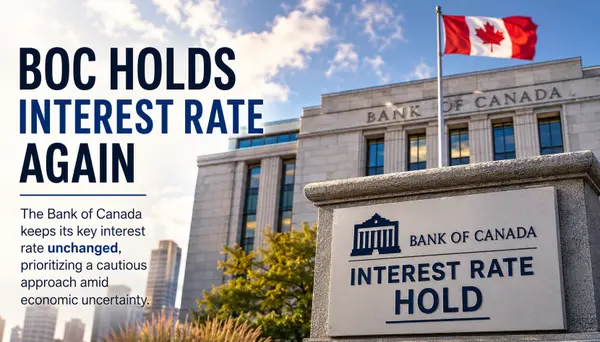
Interest Rates: No Major Changes Expected
One key takeaway from TD’s forecast is that interest rates are expected to remain relatively stable through 2026.
For the market, this means:
- No major affordability shocks from rising rates
- But also no dramatic boost in buying power
- Mortgage rates likely staying near current levels
In other words — stability, but not a surge.
Population Changes Are Impacting Demand
One of the more overlooked factors in the forecast is population growth slowing down.
TD noted that Canada even saw a decline in population in certain regions like B.C. and Ontario, which is unusual and has a direct impact on housing demand.
At the same time:
- Alberta is seeing stronger population growth
- More buyers are shifting toward more affordable provinces
This could explain why demand in high-priced markets like Vancouver is softer than expected.
What This Means for the B.C. Housing Market
For local markets like Surrey, Langley, Cloverdale, and Abbotsford, this forecast reinforces current trends:
Buyers
- More negotiating power
- More inventory to choose from
- Less competition compared to previous years
Sellers
- Pricing correctly is critical
- Homes may take longer to sell
- Strong marketing matters more than ever
Is a Recovery Still Coming?
Yes — but it’s expected to be slower and more uneven.
TD still expects:
- A gradual improvement in sales
- Modest price growth over time
- A stronger rebound potentially pushed into 2027 instead of 2026
In fact, some projections suggest stronger gains in sales and prices may not materialize until next year.
Key Takeaways for 2026
- The housing market is not crashing — but it’s not booming either
- 2026 is shaping up to be a transition year
- Conditions remain buyer-friendly in many areas
- A full recovery will likely take longer than expected
Final Thoughts
TD’s revised forecast confirms what many are already feeling in the market:
👉 This is a slower, more balanced real estate environment.
For buyers, that creates opportunity.
For sellers, it means strategy matters more than ever.
Categories
Recent Posts